A general international newspaper: world news and financial markets, an independent perspective in a global context. Facts apart from assessments.
Editorial
From the Chief Editor
A Correction Needs Proof, Not Hope
Every selloff invites the same comforting word: correction. It suggests a pause in a story that is still intact. But a correction is a conclusion, not a forecast, and it has to be earned by evidence.
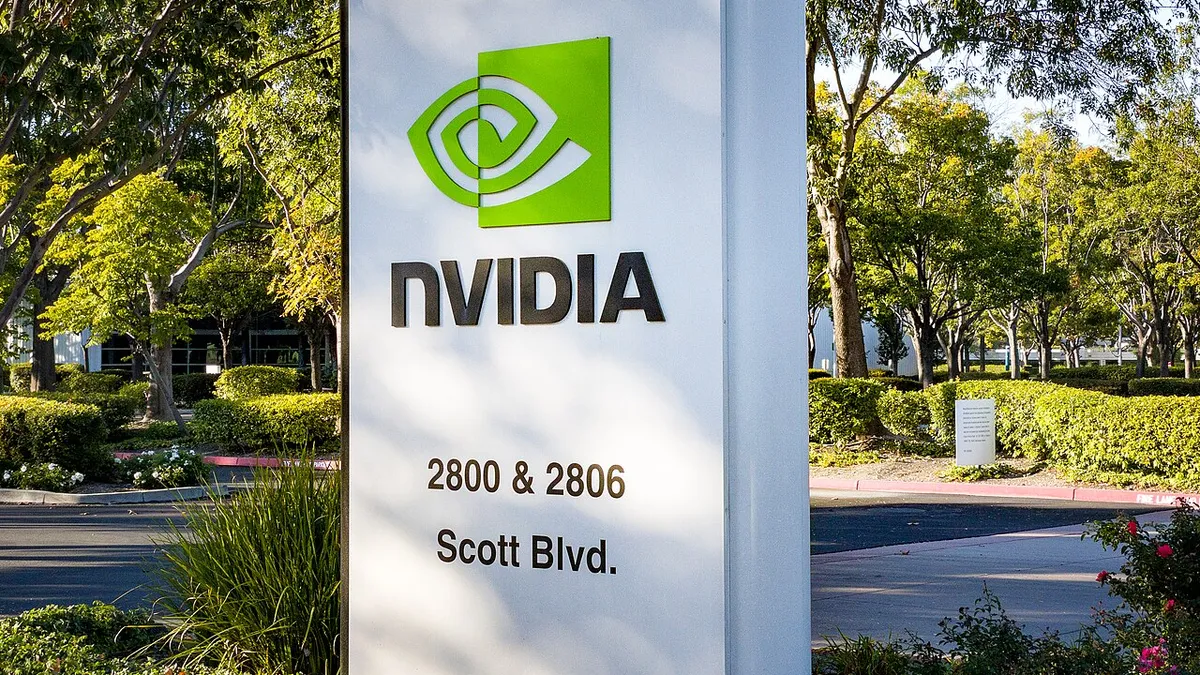
Investors are now looking for that evidence — stabilisation outside technology, a policy signal from the Federal Reserve in December, and real results from the companies that carry the AI build-out. At the same time, Washington is asking Nvidia whether some of its sales should ever have happened.
That is why this decline feels different. The question is not only whether prices ran ahead of profits. It is whether part of the profits themselves rested on weaker foundations than investors assumed.
Treasury Secretary Scott Bessent said on Sunday that Washington still has no answers from Nvidia on how its advanced chips reached China, ahead of a 25 November deadline. For investors, the question is no longer only demand for AI chips — it is the quality of the revenue behind it.
Polish military prosecutors said on Sunday that debris at all three crash sites came from Russian Kh-101 cruise missiles, correcting an earlier account that one object was probably a drone. NATO ambassadors meet in Brussels on Monday.
The finding turns one disputed object into three confirmed missiles — and gives the alliance’s Monday meeting a firmer factual base.
Strikes across the Kyiv region killed at least six people on Sunday, Ukrainian officials said, including three in a five-storey building in Dymer where rescuers were still searching the rubble.
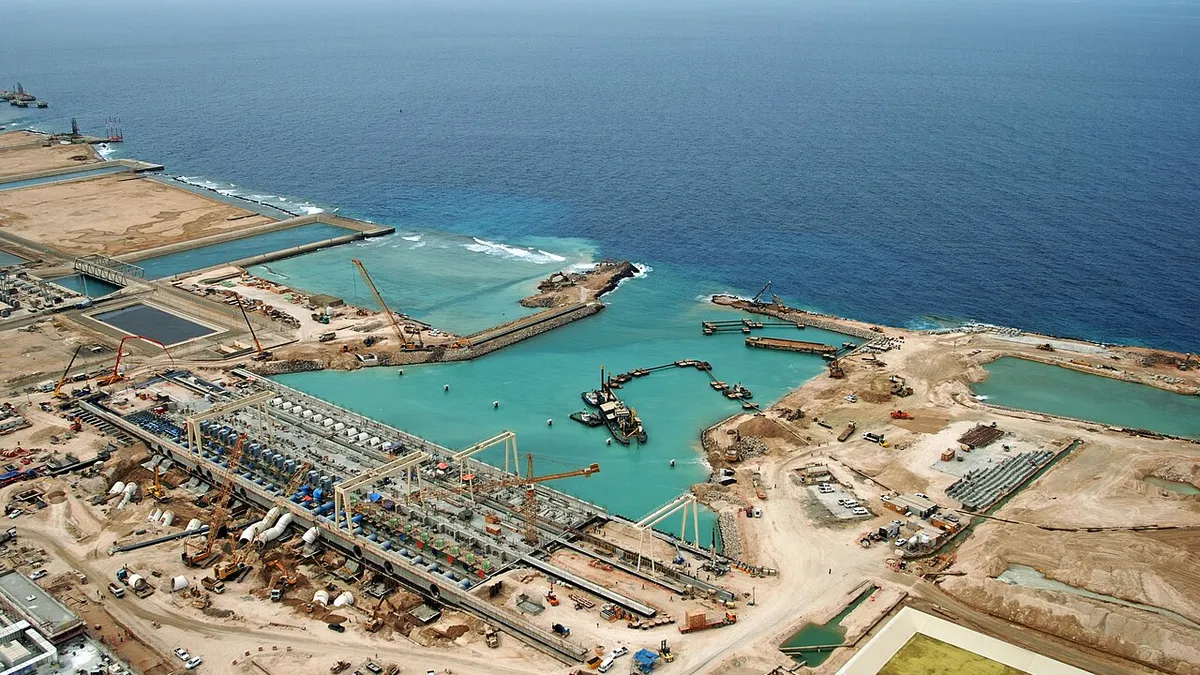
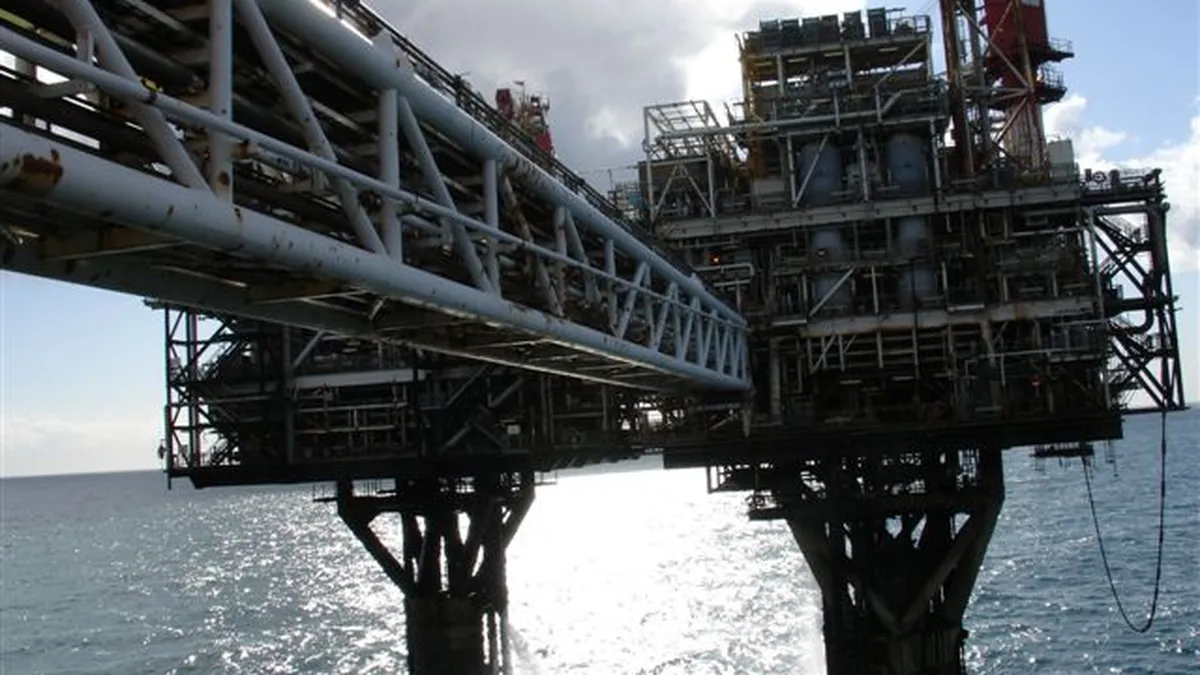
Yemen’s Houthis said on Sunday they scored a direct hit on the Rabigh refinery north of Jeddah. Saudi authorities did not comment and no damage has been verified — but the target matters because Riyadh now leans on its Red Sea coast to export oil.
After two days of overtime, the UN climate talks in Türkiye closed on Sunday with no cover decision. The EU and others rejected a final text that did not mention fossil fuels; poorer countries objected to vague adaptation finance.
The official US Treasury daily yield curve for Friday, 20 November 2026, put the two-year at 4.63 per cent, the 10-year at 4.92 per cent and the 30-year at 5.31 per cent. Markets were closed on Sunday; these are Friday’s closes, not a later screen. This desk does not invent a daily change that was not published with that close.
Secondary sources for Friday’s dollar-index close, 20 November 2026, disagreed in a narrow band of about 103.81 to 103.84. This desk will not pick a single figure from a disputed screen. Markets were closed on Sunday, 22 November.
Reuters, as reprinted by Euronext, put Brent at $92.57, up 59 cents or 0.64 per cent, and WTI at $83.98, up 77 cents or 0.93 per cent, on Friday, 20 November 2026. A Reuters global wrap said spot gold and silver were at 14-month lows; this desk has no exact print to quote.
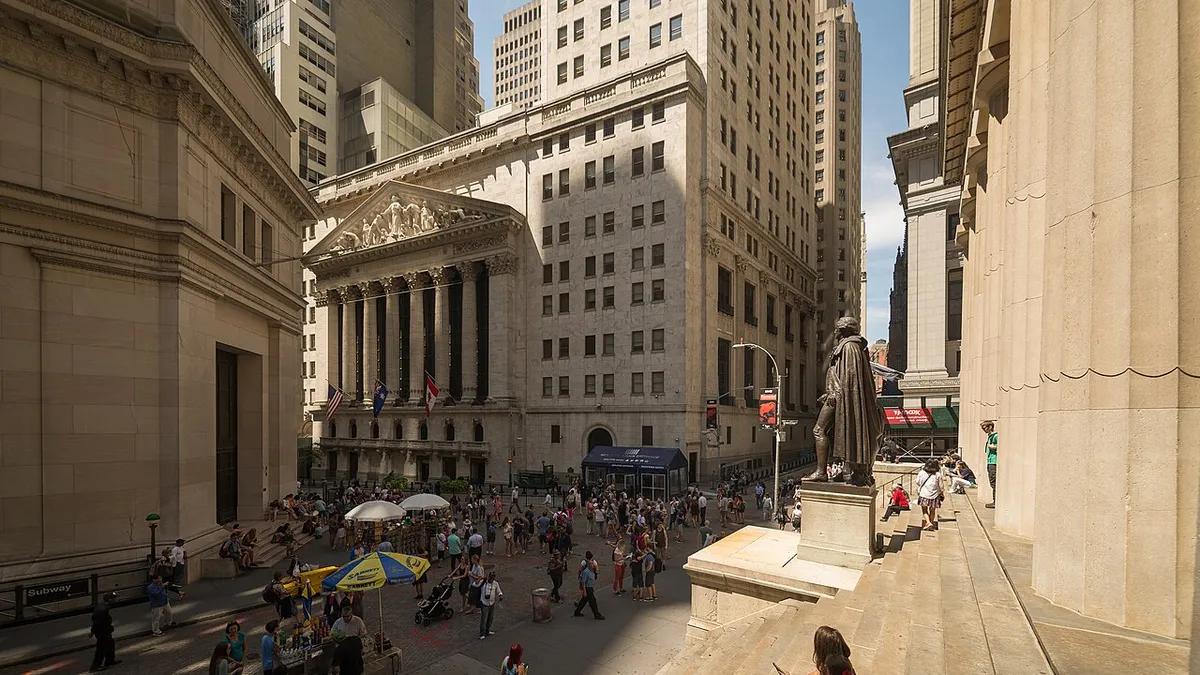
CNBC put the Nasdaq Composite at 22,617.73, down 5.28 per cent, on Friday, 20 November 2026, with the S&P 500 at 6,910.39, down 3.7 per cent, and the Dow at 48,147.33, down 1.93 per cent. Anthropic, after completing its offering, slid about 8.5 per cent on its second day to $88.91, still above the $83 offer price.