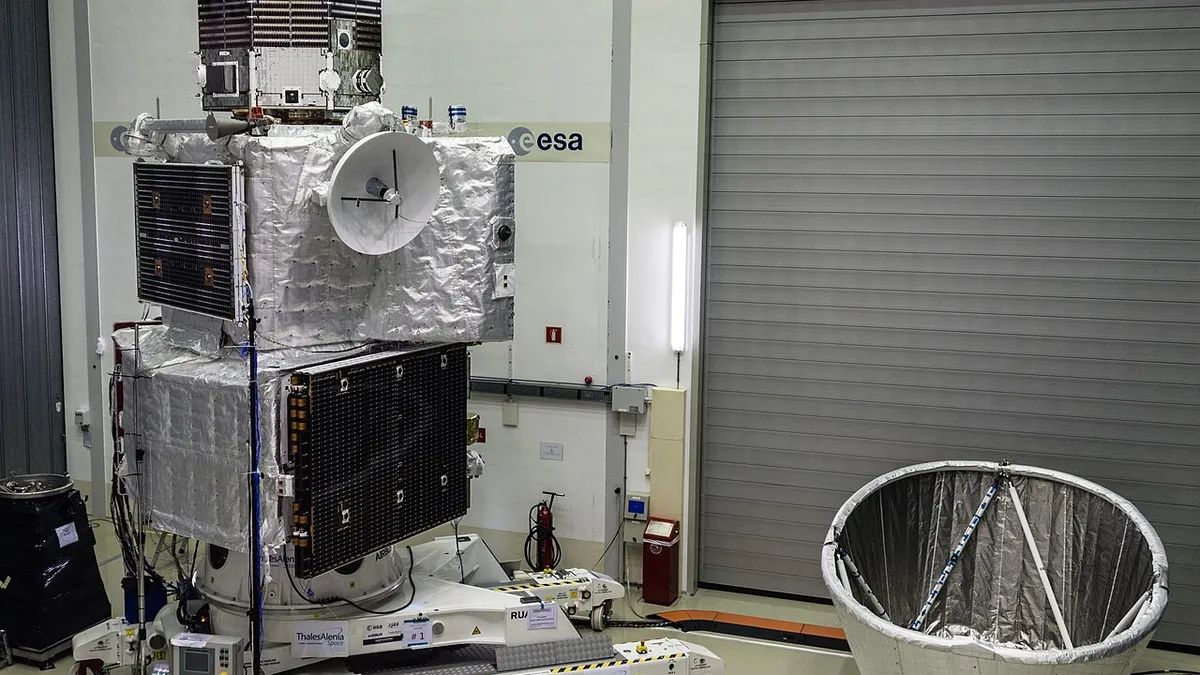
BepiColombo reaches Mercury orbit after eight years — with a short thruster burn
BepiColombo, a joint mission of the European Space Agency and the Japan Aerospace Exploration Agency, entered orbit around Mercury on Saturday, 21 November, after a 37-minute engine burn and more than eight years in space, Space.com reported. Confirmation that the manoeuvre had worked took several hours to arrive.
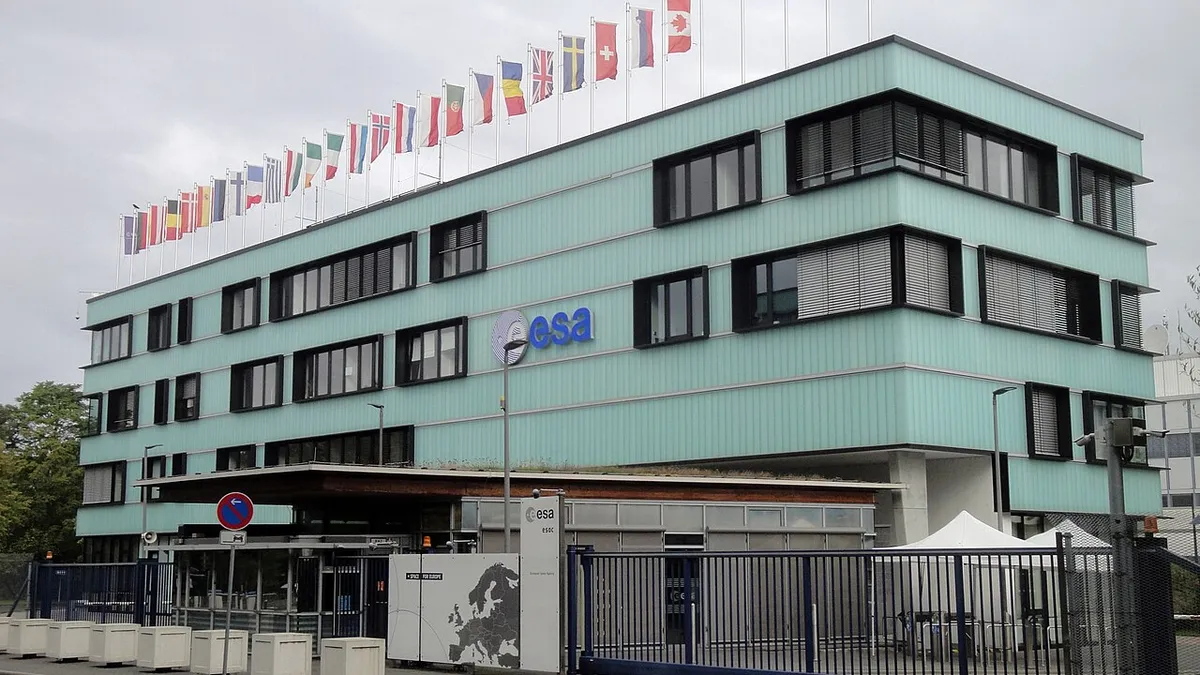
On Sunday ESA said the burn had been shorter than planned because of a software issue. The spacecraft is safe, it said, and engineers at its operations centre in Darmstadt are working out what happened, with an update promised for Monday.
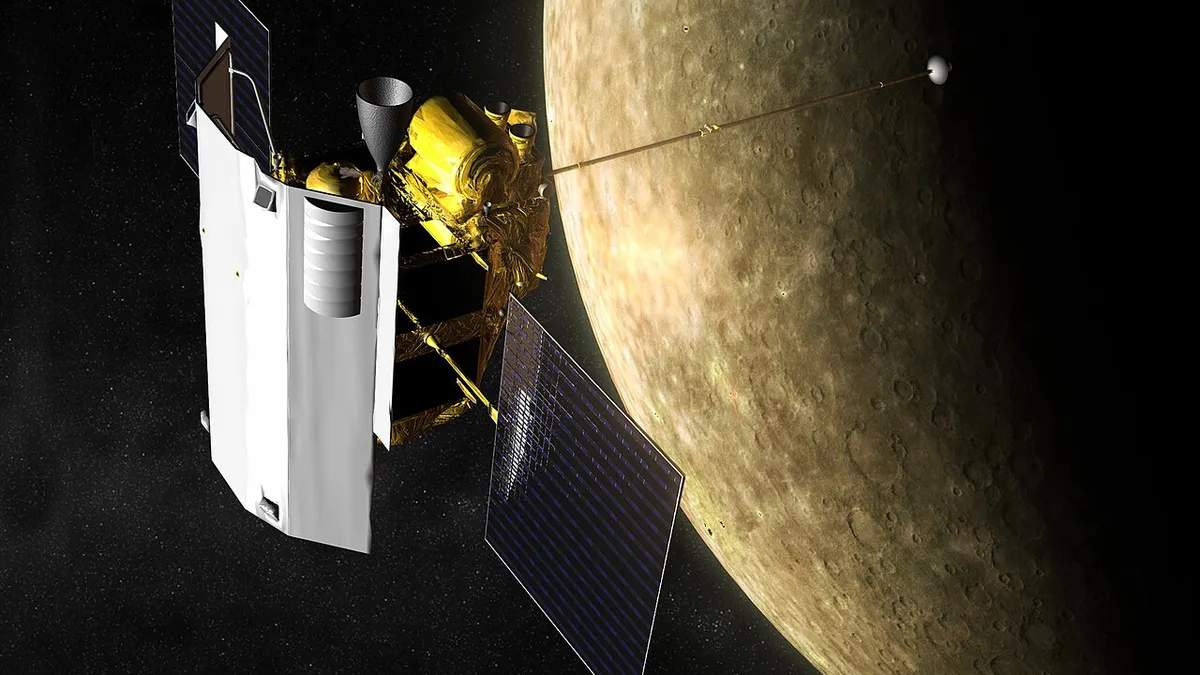
The mission carries two orbiters: ESA’s Mercury Planetary Orbiter and JAXA’s Mercury Magnetospheric Orbiter, known as Mio. They launched together on an Ariane 5 from French Guiana in October 2018 and are due to separate on 9 and 10 December, with routine science starting in April, CNA reported. Only NASA’s MESSENGER, from 2011 to 2015, has orbited Mercury before.
Reaching Mercury is hard because a spacecraft falling towards the Sun gathers speed it must shed to be captured. BepiColombo used one flyby of Earth, two of Venus and six of Mercury, and its trip was stretched by a year after a solar-panel problem reduced power to its electric thrusters.
Our assessment: arrival is the hard part, and it has been done. Monday’s update matters because the planned orbit sets up the separation of the two orbiters in December. Scientists want answers on why so small a planet has a magnetic field, how ice survives in its polar craters and what forms the strange ‘hollows’ on its surface.
Sources: Reuters headline feed, 23 November 2026; Space.com; CNA (Reuters); European Space Agency [1] [2]